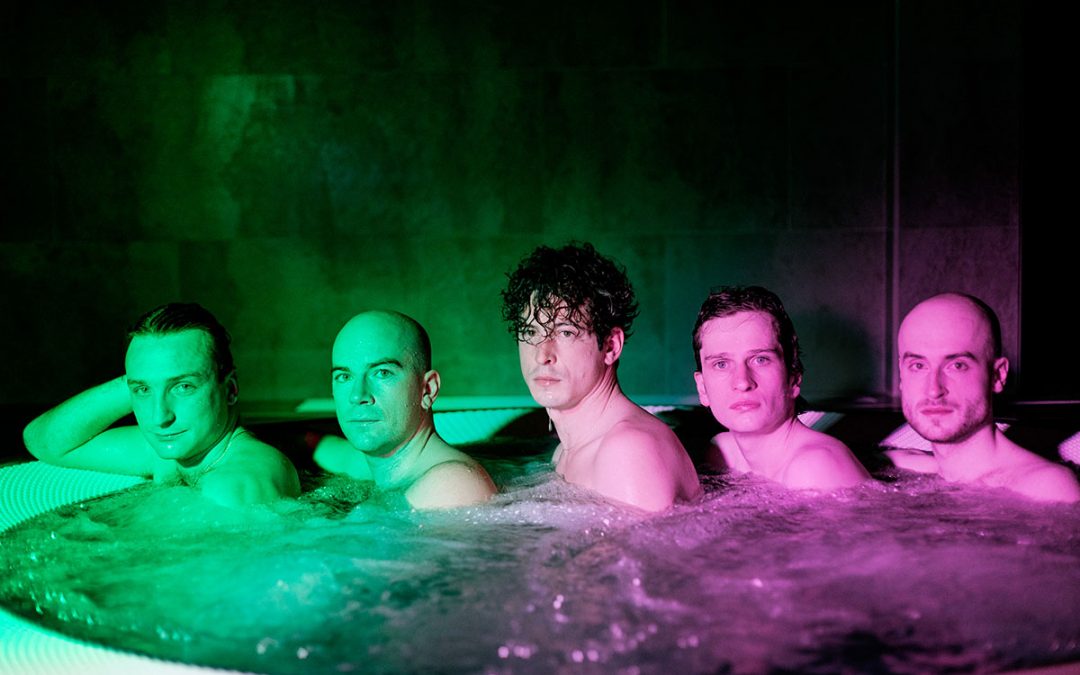
Techno-rumba is emerging as one of the most intriguing fusions in contemporary music. It combines the rhythmic soul of rumba with the hypnotic drive of techno, creating a sound that feels both deeply rooted and strikingly modern. For listeners drawn to independent scenes and genre crossovers, this musical genre offers something different: emotional depth without losing dancefloor energy.
This article explains what defines techno-rumba, where it comes from, and why it is gaining attention across global audiences.
What Defines Techno-Rumba?
At its core, techno-rumba is a dialogue between two musical traditions that rarely shared space until recently. On one side, there is rumba—rich in groove, shaped by flamenco influences, and built around expressive guitar patterns and percussive elements. On the other, techno introduces repetition, electronic textures, and a structured pulse designed to immerse listeners.
What makes techno-rumba stand out is not just the combination, but the balance. The organic warmth of rumba prevents the sound from becoming cold or mechanical, while techno adds scale and intensity. The result is a genre that can feel intimate and expansive at the same time, equally suited for headphones or a crowded club.
From Tradition to Experimentation
Rumba has long served as a vehicle for storytelling and cultural identity, especially within Spanish musical traditions. Its rhythms are direct, its emotional tone often personal, and its performance style rooted in human connection. Techno, by contrast, emerged from electronic experimentation, prioritizing atmosphere, repetition, and collective experience on the dancefloor.
The rise of techno-rumba reflects a broader shift in how music is created and consumed. Artists are no longer confined by genre expectations. Instead, they draw from multiple influences to build something new. In this context, techno-rumba is less a fixed style and more an evolving framework where tradition and innovation coexist.
Why Techno-Rumba Is Gaining Popularity
The growing appeal of techno-rumba can be traced to its ability to connect with modern listening habits. Audiences today move fluidly between genres, often within the same playlist. A sound that blends acoustic heritage with electronic production fits naturally into that behavior.
There is also a clear emotional factor. Many electronic genres prioritize rhythm over feeling, but techno-rumba avoids that limitation. Its rumba foundation carries a sense of narrative and authenticity, while the techno layer amplifies its energy. This combination creates tracks that are not only danceable but also memorable.
Another key driver is the role of independent artists. Techno-rumba is not being shaped by mainstream industry formulas. Instead, it is developing within underground scenes where experimentation is encouraged. This gives the genre a sense of freshness that resonates with listeners seeking alternatives to predictable sounds.
For a deeper look at how independent movements shape new styles, see our guide on [how underground music scenes influence global trends].
A Sound Built for Multiple Contexts
One of the reasons techno-rumba spreads quickly is its versatility. It adapts well to different environments without losing its identity. In live performances, the presence of traditional instruments allows for improvisation and emotional expression. In electronic settings, its rhythmic structure aligns naturally with DJ sets and continuous mixes.
This flexibility also translates into digital platforms. Algorithms tend to favor music that fits across categories, and techno-rumba does exactly that. It can appear in playlists focused on electronic music, world fusion, or indie experimentation, increasing its exposure without needing to conform to a single label.
How the Genre Is Evolving
Techno-rumba is still in a formative stage, and that openness is part of its appeal. Some artists lean toward minimal, atmospheric interpretations, emphasizing texture and space. Others push the genre toward high-energy territory, adapting it for festivals and larger audiences. There is also a growing interest in vocal-driven tracks that bring storytelling back to the forefront.
This diversity suggests that techno-rumba is not heading toward a single, standardized sound. Instead, it is expanding in multiple directions at once. That makes it harder to define, but also more resistant to becoming formulaic.
Conclusion
Techno-rumba represents a natural evolution in contemporary music. It bridges cultural heritage and electronic innovation in a way that feels coherent rather than forced. Its rise is tied to changing listener habits, the influence of independent creators, and a broader interest in hybrid sounds.
More than a passing trend, techno-rumba reflects how music continues to evolve when artists are free to experiment without boundaries.